Which AI Focuses On Classifying Or Identifying Content That Is Based On Preexisting Data?
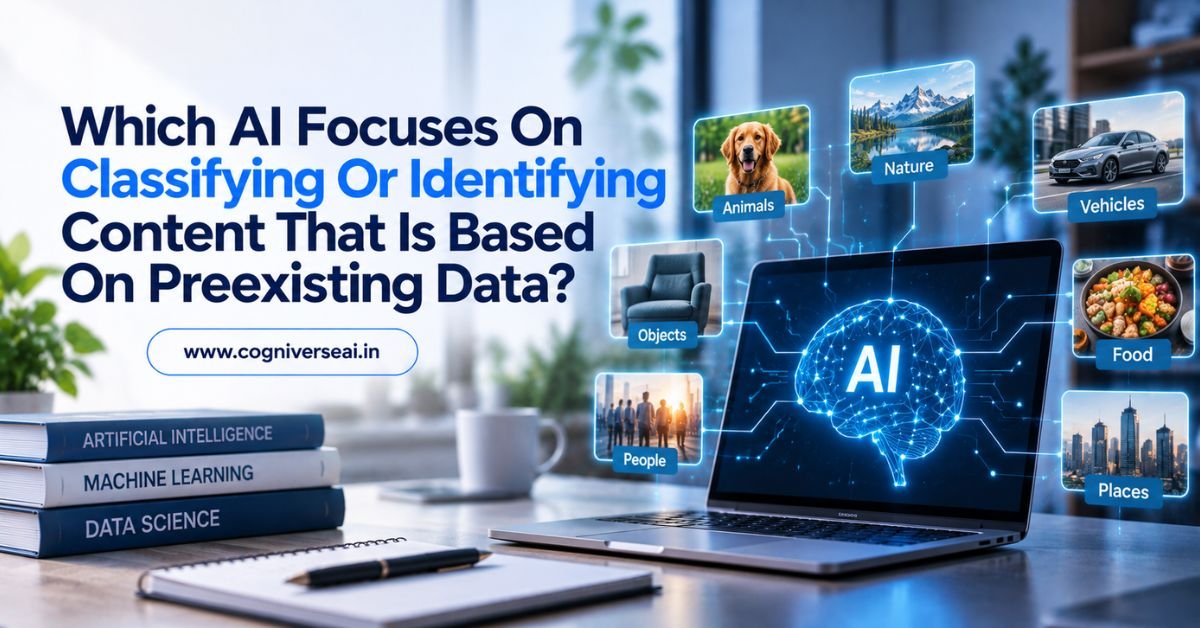
Which AI Focuses On Classifying Or Identifying Content That Is Based On Preexisting Data

Artificial intelligence can be used for many different purposes. Some AI systems generate new content, while others examine existing information and determine what it represents. This difference is important when learning about modern AI because classification and identification are common tasks in areas such as image recognition, spam detection, fraud prevention, healthcare, search, and customer

Why Is It Important To Understand Different Machine Learning Algorithms?

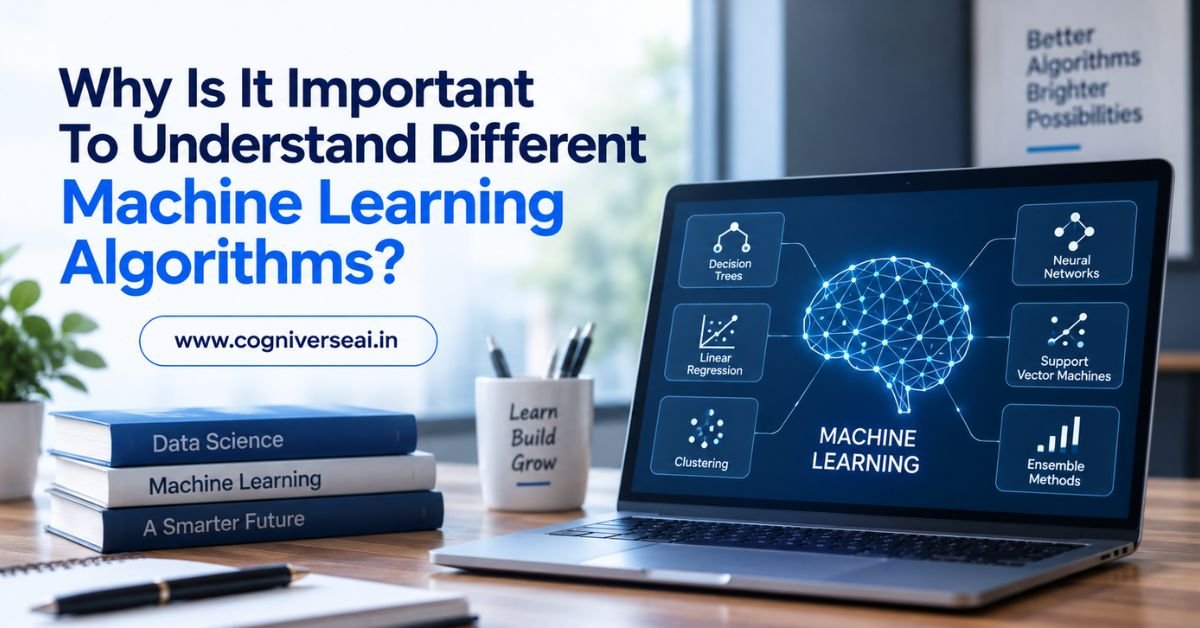
Why Is It Important To Understand Different Machine Learning Algorithms?

Machine learning is used in many areas of modern technology, from recommendation systems and fraud detection to healthcare, marketing, search engines, and business forecasting. But machine learning is not one single method. It includes many different algorithms, and each algorithm learns from data in a different way. So, why is it important to understand different

Describe One Way That Understanding AI Might Help You In Your Daily Life Or Future Career

Describe One Way That Understanding AI Might Help You In Your Daily Life Or Future Career

Artificial intelligence, or AI, is becoming part of everyday life. We see it in search engines, smartphones, online shopping, navigation apps, recommendation systems, customer service tools, education platforms, and many workplaces. Because AI is becoming more common, understanding how it works and how to use it responsibly can be a useful skill. So, describe one

Which Level Of AI Refers To Machines That Can Perform Any Intellectual Task That A Human Can?

Which Level Of AI Refers To Machines That Can Perform Any Intellectual Task That A Human Can

Artificial intelligence is often described in different levels based on what machines can do. Some AI systems are built for one specific task, while others are imagined as systems that could handle a wide range of intellectual activities. This difference is important when understanding terms such as Artificial Narrow Intelligence, Artificial General Intelligence, and Artificial

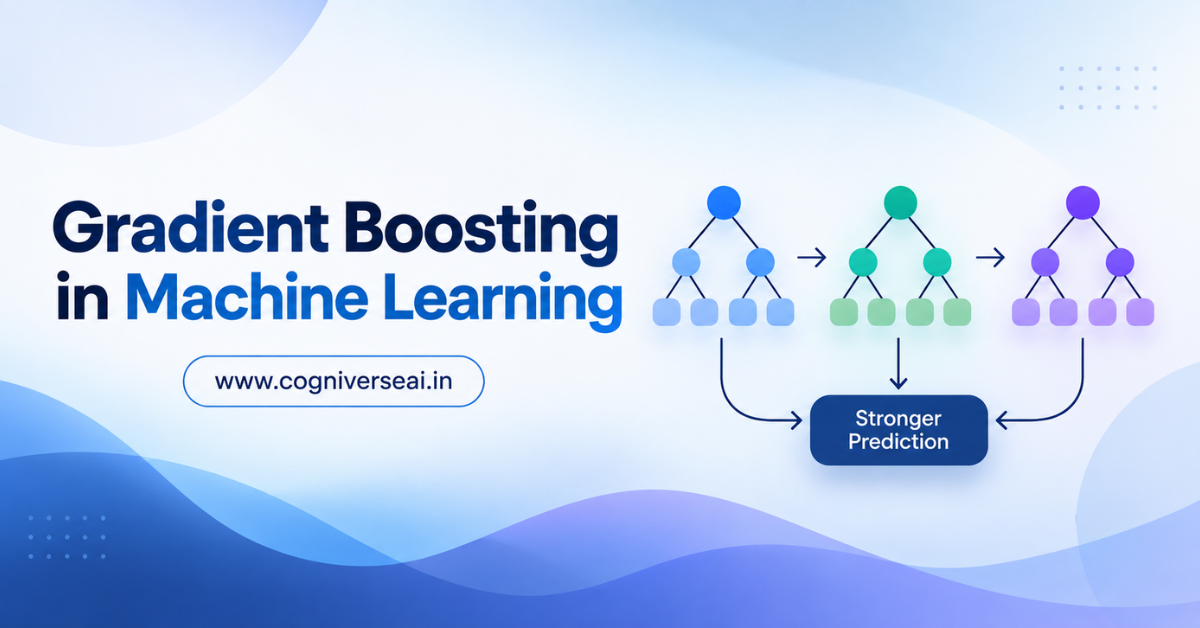
Gradient Boosting in Machine Learning: A Complete Guide

Gradient Boosting in Machine Learning

Gradient boosting in machine learning is a powerful supervised learning technique used to make accurate predictions by combining many simple models, usually decision trees. Instead of building one large and complicated model, gradient boosting builds a sequence of smaller models, with each new model focusing on the mistakes made by the previous ones. In simple

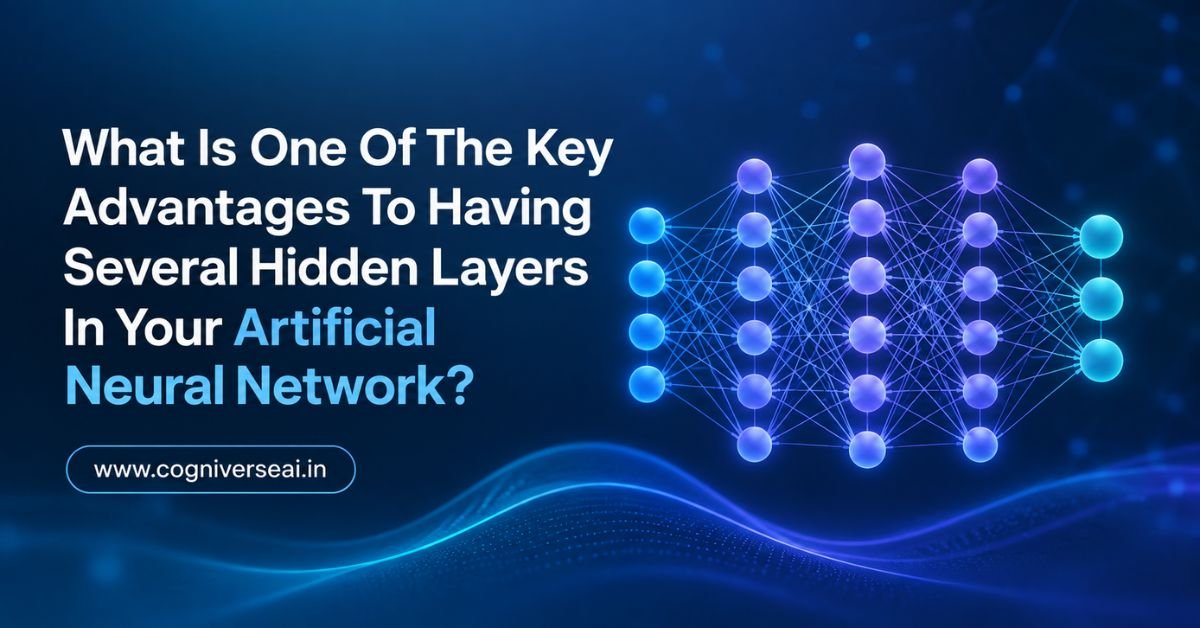
What Is One Of The Key Advantages To Having Several Hidden Layers In Your Artificial Neural Network?

What Is One Of The Key Advantages To Having Several Hidden Layers In Your Artificial Neural Network?

Artificial neural networks are designed to learn patterns from data, but not all neural networks can learn complex patterns equally well. One of the main reasons is the number of hidden layers between the input and output layers. So, what is one of the key advantages to having several hidden layers in your artificial neural

How Does Artificial Intelligence Learn To Perform Tasks?

How Does Artificial Intelligence Learn To Perform Tasks?

Artificial intelligence can recognize images, understand language, recommend products, detect fraud, generate content, and perform many other tasks. But how does a machine actually learn to do these things? So, how does artificial intelligence learn to perform tasks? In modern AI, the main answer is through machine learning, where algorithms learn patterns from data and

What Is a Token in AI Language Processing?

What Is a Token in AI Language Processing?

When people use AI tools such as ChatGPT, virtual assistants, translation systems, or other language applications, the system does not process text exactly the way a human reads it. Before an AI model can work with language, the text is usually broken into smaller pieces called tokens. So, what is a token in AI language